.png)


Retail Leasing Guide: Lease Retail Space with Confidence

Updated: May 2
Leasing retail space is a critical step for your business growth. Whether relocating, expanding, or upgrading operations, you need to make informed decisions. This guide helps you navigate the process with clarity and confidence. You will learn practical steps, key terms, and negotiation tips to secure the right space for your needs.
Understanding the Retail Leasing Guide
Leasing retail space involves more than signing a contract. You must evaluate location, lease terms, costs, and property features. Start by defining your business requirements clearly. Consider foot traffic, parking, visibility, and zoning restrictions. These factors affect your customer reach and operational efficiency.
Next, analyze the lease structure. Retail leases often include base rent plus additional expenses like maintenance, insurance, and property taxes. These are called triple net (NNN) leases. Understand what costs you are responsible for and budget accordingly.
Work with a commercial real estate professional who knows the local market. They can help you identify suitable properties and negotiate favorable terms. Use market data to compare rents and vacancy rates. This knowledge strengthens your position during lease discussions.
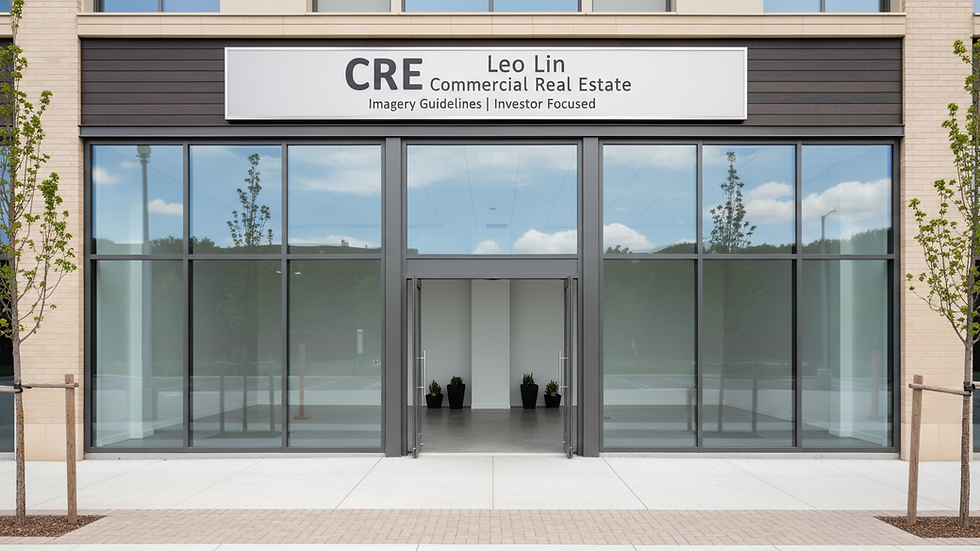

Key Steps to Lease Retail Space with Confidence
Assess Your Business Needs
Define your space requirements, including square footage, layout, and special features. Consider future growth to avoid frequent moves.
Research Locations
Visit potential sites during business hours. Observe customer traffic and nearby businesses. Check accessibility and parking availability.
Review Lease Terms Carefully
Pay attention to lease length, renewal options, rent escalations, and permitted uses. Clarify who handles repairs and maintenance.
Negotiate Rent and Expenses
Ask for rent reductions or tenant improvement allowances. Negotiate caps on operating expenses to control costs.
Understand Legal Obligations
Have an attorney review the lease. Ensure compliance with zoning laws and building codes. Confirm signage rights and exclusivity clauses.
Plan for Build-Out and Move-In
Coordinate timelines for tenant improvements. Confirm landlord responsibilities and approvals.
Prepare for Ongoing Management
Keep records of payments and communications. Monitor lease compliance and property conditions.
Following these steps helps you avoid surprises and secure a space that supports your business goals.
What does $2000 look and lease mean?
The term "$2000 look and lease" is a common retail leasing incentive. It means you pay $2000 upfront to secure the space after a quick inspection or "look." This payment often acts as a deposit or first month's rent. The landlord may offer this to encourage fast decisions and reduce vacancy time.
This incentive can benefit you if you are ready to commit quickly. However, understand what the $2000 covers. Ask if it is refundable or applied toward rent. Also, confirm the lease terms before paying. Avoid rushing into agreements without full clarity.
Use this offer as leverage to negotiate better lease conditions. For example, request tenant improvements or rent discounts in exchange for the upfront payment. Always get the agreement in writing.
Evaluating Retail Space for Your Business
When touring retail spaces, focus on these critical factors:
Visibility and Signage
Ensure your storefront is easily seen from main roads or pedestrian paths. Check if the landlord allows prominent signage.
Accessibility
Confirm convenient access for customers, suppliers, and employees. Look for nearby public transit and ample parking.
Zoning and Permitted Uses
Verify the property’s zoning classification supports your business type. Some retail spaces restrict certain uses.
Condition and Layout
Inspect the space for needed repairs or renovations. Consider if the layout fits your operational flow.
Neighboring Tenants
Evaluate the mix of nearby businesses. Complementary tenants can drive traffic, while competitors may reduce it.
Safety and Security
Check lighting, alarm systems, and neighborhood safety. A secure location protects your assets and customers.
Lease Flexibility
Look for options to sublease or assign the lease if your business needs change.
Taking a thorough approach ensures the space aligns with your operational and financial goals.

Negotiating Your Retail Lease Like a Pro
Negotiation is key to leasing retail space with confidence. Here are practical tips:
Start with Market Research
Know average rents and vacancy rates in the area. Use this data to justify your offers.
Request Tenant Improvements
Ask the landlord to cover build-out costs or provide allowances. This reduces your upfront expenses.
Negotiate Rent Escalations
Cap annual rent increases or tie them to inflation indexes. Avoid steep hikes that strain your budget.
Clarify Expense Responsibilities
Define which operating costs you pay. Negotiate caps on common area maintenance fees.
Secure Renewal Options
Include options to renew the lease at predetermined terms. This provides long-term stability.
Ask for Exclusivity Clauses
Prevent landlords from leasing nearby spaces to direct competitors.
Get Everything in Writing
Document all agreements and changes. Avoid verbal promises.
Use a Commercial Real Estate Expert
Their experience can uncover negotiation opportunities and pitfalls.
Effective negotiation protects your interests and creates a lease that supports your business success.
Final Thoughts on Leasing Retail Space
Leasing retail space is a significant business decision. Approach it with preparation and clear objectives. Evaluate locations carefully, understand lease terms, and negotiate assertively. Use professional advice to guide you through complex contracts and market conditions.
By following this retail leasing guide, you gain confidence in securing a space that fits your operational needs and financial plans. This foundation supports your business growth and long-term success.
For detailed assistance on how to lease a commercial retail space, consider consulting a commercial real estate specialist. They provide tailored advice and market insights to help you make the best leasing decisions.
Leasing retail space is a strategic move. Take control of the process and lease with confidence.

LEO LIN
CA DRE # 02128847


Comments