.png)


Step-by-Step Leasing Retail Spaces Guide
- SFIM Network
- Jun 3
- 3 min read

Leasing retail space is a critical step for your business growth. Whether you are relocating, expanding, or upgrading operations, choosing the right retail space can impact your success. This guide breaks down the leasing process into clear, actionable steps. Follow it to make informed decisions and secure a space that fits your needs.
Understanding the Leasing Retail Spaces Guide
Start by defining your business requirements. Consider the type of retail space you need, the location, size, and budget. Think about your customer base and how accessible the location is. Also, evaluate the zoning laws and any restrictions that might affect your business operations.
Next, research the market. Look at available properties and compare prices. Use online listings, commercial real estate brokers, and local contacts. Pay attention to the condition of the property and the amenities offered.
When you find potential spaces, visit them in person. Check the layout, parking availability, foot traffic, and visibility from the street. These factors influence customer attraction and operational efficiency.

Key Steps to Leasing Retail Space
Prepare Your Budget
Calculate your total budget, including rent, utilities, insurance, and maintenance. Don’t forget to factor in deposits and any tenant improvement costs.
Identify Your Needs
List your must-haves: square footage, location, parking, signage, and lease length. Prioritize these to guide your search.
Search for Properties
Use commercial real estate platforms and brokers to find listings. Narrow down options based on your criteria.
Visit and Inspect
Tour shortlisted properties. Look for structural issues, compliance with safety codes, and suitability for your business.
Review Lease Terms
Understand the lease agreement thoroughly. Pay attention to rent escalation, maintenance responsibilities, renewal options, and termination clauses.
Negotiate the Lease
Don’t accept the first offer. Negotiate rent, lease length, tenant improvements, and any exclusivity clauses.
Sign the Lease
Once terms are agreed upon, sign the lease. Keep a copy for your records.
Prepare for Move-In
Plan your move, set up utilities, and make any necessary renovations.
What does $2000 look and lease mean?
The term "$2000 look and lease" is a common promotional offer in commercial leasing. It means you pay $2000 upfront to secure the lease, often covering the first month’s rent or a portion of the security deposit. This offer encourages quick decisions and helps landlords fill vacancies faster.
Before accepting such an offer, clarify what the $2000 covers. Ask if it includes rent, deposits, or fees. Also, confirm if there are any conditions tied to the promotion, such as lease length or credit requirements.
Understanding these details helps you avoid surprises and ensures the offer aligns with your financial plans.
Evaluating Lease Agreements and Negotiation Tips
Lease agreements can be complex. Focus on these key areas:
Rent and Escalations: Know your base rent and how it may increase over time. Some leases have fixed increases; others tie increases to inflation or market rates.
Lease Term: Decide if you want a short-term or long-term lease. Longer leases may offer stability but less flexibility.
Maintenance and Repairs: Determine who is responsible for upkeep. Some leases are triple net (tenant pays all expenses), while others include landlord maintenance.
Use Clause: Ensure the lease allows your specific business activities.
Renewal Options: Look for options to renew or extend the lease under agreed terms.
Exit Clauses: Understand penalties or conditions if you need to terminate early.
When negotiating, be clear about your priorities. You can often negotiate rent, tenant improvements, signage rights, and exclusivity clauses. Use market data to support your requests. A well-negotiated lease can save you money and provide operational flexibility.
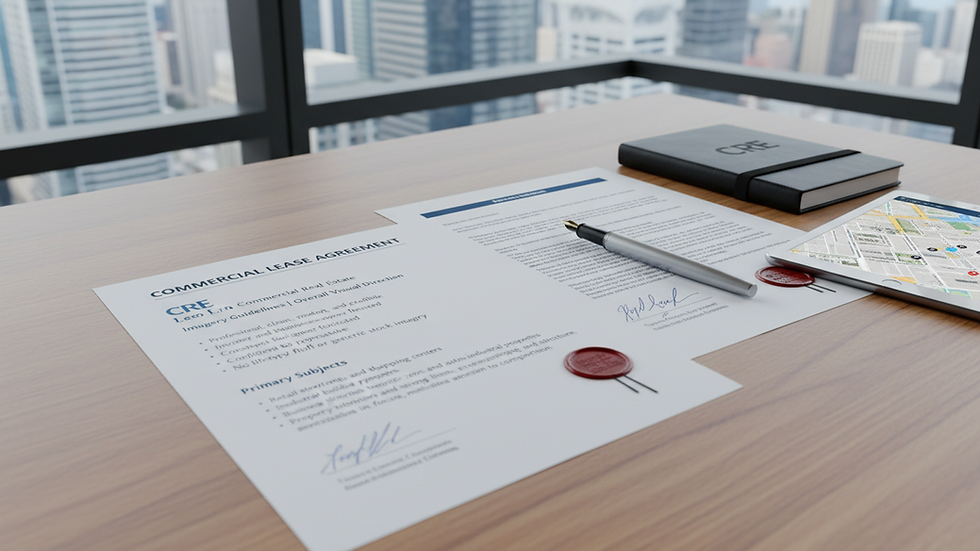
Finalizing Your Retail Space Lease
After signing the lease, focus on preparing the space for your business. Coordinate with contractors for any build-outs or renovations. Set up utilities, internet, and security systems. Notify customers and suppliers about your new location.
Maintain good communication with your landlord. Address maintenance issues promptly and keep records of all correspondence. This relationship can be valuable if you need lease modifications or assistance.
For investors or owner-users, consider how the lease fits into your broader portfolio strategy. If you are completing a 1031 Exchange or repositioning assets, ensure the lease terms support your financial goals.
If you want to learn more about how to lease a commercial retail space, this resource offers detailed insights and expert advice.
Taking the Next Step in Your Leasing Journey
Leasing retail space is a significant business decision. Use this guide to navigate the process with confidence. Focus on your business needs, understand lease terms, and negotiate effectively. With the right approach, you can secure a retail space that supports your growth and operational goals.
Start your search early, stay organized, and seek professional advice when needed. Your ideal retail space is within reach. Take action today to move your business forward.


Comments