.png)


A Step-by-Step Guide to Leasing Commercial Properties: Understanding the Commercial Leasing Process
- SFIM Network
- Feb 4
- 3 min read

Leasing commercial properties can be a complex task. You need to understand the process clearly to make informed decisions. Whether you are relocating, expanding, or upgrading your operations, this guide will walk you through the commercial leasing process step by step. You will learn how to evaluate spaces, negotiate terms, and secure a lease that fits your business needs.
Understanding the Commercial Leasing Process
The commercial leasing process involves several stages. Each stage requires careful attention to detail and strategic planning. Start by identifying your business requirements. Consider factors like location, size, zoning, and budget. Next, search for available properties that meet your criteria. You can find listings online, through brokers, or by networking.
Once you have a shortlist, visit each property to assess its suitability. Look at the condition, layout, parking, and accessibility. Check if the property complies with local zoning laws and if it supports your business operations. After narrowing down your options, request lease proposals from landlords.
Review the lease terms carefully. Pay attention to rent, lease length, renewal options, maintenance responsibilities, and any restrictions. Negotiate terms that protect your interests and allow flexibility for future growth. Finally, sign the lease and plan your move or setup.

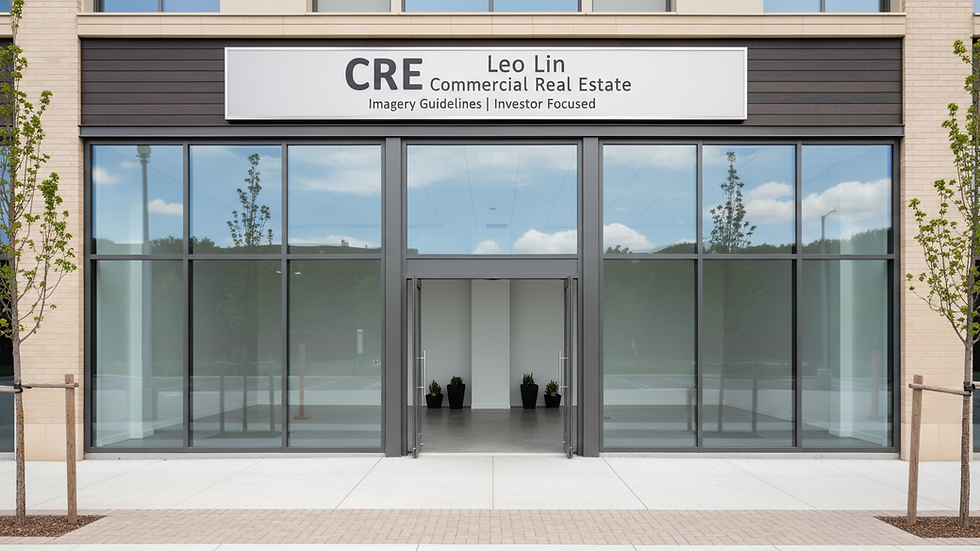
Commercial properties require thorough evaluation before leasing.
Key Steps in the Commercial Leasing Process
Define Your Needs
List your must-haves and nice-to-haves. Include square footage, location preferences, parking, and special requirements like loading docks or signage.
Search for Properties
Use online platforms, commercial real estate agents, and local contacts. Look for commercial real estate for lease that matches your criteria.
Property Visits and Inspections
Schedule tours to inspect the condition and layout. Take notes and photos. Check for compliance with safety and zoning regulations.
Request and Review Lease Proposals
Ask landlords for detailed lease agreements. Compare rent, terms, and additional costs like utilities and maintenance.
Negotiate Lease Terms
Discuss rent adjustments, tenant improvements, lease duration, and exit clauses. Aim for terms that support your business stability and growth.
Finalize and Sign the Lease
Review the final document with legal counsel if needed. Sign the lease and keep a copy for your records.
Prepare for Occupancy
Plan your move, renovations, and setup. Coordinate with landlords on any agreed improvements.
Evaluating Lease Terms and Conditions
Understanding lease terms is critical. Here are some key elements to focus on:
Rent and Escalations: Know the base rent and how it may increase over time. Some leases have fixed increases, others are tied to inflation or market rates.
Lease Duration and Renewal Options: Determine the length of the lease and if you have the option to renew. Longer leases may offer stability but less flexibility.
Maintenance and Repairs: Clarify who is responsible for repairs and upkeep. Some leases are triple net, meaning you pay property taxes, insurance, and maintenance.
Use Clauses and Restrictions: Ensure the lease allows your intended business activities. Restrictions can limit signage, hours, or types of operations.
Tenant Improvements: Discuss if the landlord will provide allowances for customizing the space. Get agreements in writing.
Exit Clauses: Understand conditions for early termination or subleasing. These can protect you if your business needs change.

Review lease agreements carefully before signing.
Negotiation Tips for Leasing Commercial Properties
Negotiation is your chance to tailor the lease to your needs. Here are practical tips:
Do Your Homework: Research market rents and comparable properties. This knowledge strengthens your position.
Prioritize Your Needs: Focus on the most important terms like rent, lease length, and tenant improvements.
Ask for Concessions: Request rent-free periods, improvement allowances, or flexible renewal terms.
Get Everything in Writing: Verbal promises are not binding. Ensure all negotiated terms are included in the lease.
Consider Professional Help: A commercial real estate broker or attorney can provide valuable advice and negotiate on your behalf.
Preparing for Occupancy and Beyond
Once the lease is signed, plan your move carefully. Coordinate with the landlord on any agreed improvements or repairs. Schedule utility setups and permits early to avoid delays. Train your staff on the new location and update your business address with customers and suppliers.
Maintain good communication with your landlord throughout the lease term. Address maintenance issues promptly and keep records of all correspondence. When the lease nears its end, evaluate your options for renewal or relocation based on your business growth.
Leasing commercial properties is a strategic decision. By following this step-by-step guide, you can secure a space that supports your business goals and adapts to future needs.
Leasing commercial real estate requires attention to detail and strategic planning. Use this guide to navigate the commercial leasing process confidently and make decisions that benefit your business in the long term.


Comments