.png)


Emerging Real Estate Trends Transforming Commercial Real Estate
- SFIM Network
- Feb 4
- 4 min read

Updated: Apr 27
The commercial real estate market is evolving rapidly. You need to stay ahead of emerging real estate trends to make smart decisions. Whether you are leasing, buying, or selling, understanding these shifts will help you optimize your investments and operations. This post breaks down key trends shaping the commercial real estate landscape today.
Key Real Estate Trends Shaping Commercial Spaces
You must recognize how technology, sustainability, and changing tenant demands are influencing commercial properties. Here are some of the most impactful trends:
Flexible Workspaces: The rise of hybrid work models means businesses want adaptable office spaces. Expect more demand for coworking areas and short-term leases.
Sustainability and Green Buildings: Energy-efficient buildings with eco-friendly certifications attract tenants and investors. They reduce operating costs and meet regulatory requirements.
Technology Integration: Smart building systems improve security, energy management, and tenant experience. IoT devices and automation are becoming standard.
E-commerce Impact: Retail spaces are shifting to support omnichannel strategies. Industrial properties near urban centers are in high demand for last-mile delivery.
Health and Safety Features: Post-pandemic, enhanced ventilation, touchless access, and wellness amenities are priorities for tenants.
These trends affect retail, industrial, and office sectors differently. You should tailor your property search or investment strategy accordingly.

How These Real Estate Trends Affect Your Leasing and Investment Decisions
Understanding these trends helps you identify properties that align with your business goals. For example:
If you need retail space, look for locations with high visibility and easy access for delivery services. Consider properties that support curbside pickup or have adaptable layouts.
Industrial users should prioritize warehouses with advanced loading docks and proximity to major transport routes. Automation-ready facilities can boost operational efficiency.
Investors should focus on properties with green certifications and smart technology. These features increase tenant retention and property value.
Owner-users must evaluate zoning and building flexibility to accommodate future growth or operational changes.
You can leverage market data and expert advice to pinpoint opportunities. CRE Leo Lin specializes in retail and industrial commercial real estate, helping you navigate leasing, acquisitions, and sales with these trends in mind.
Technology and Sustainability Driving Commercial Real Estate
Technology and sustainability are no longer optional. They are essential for competitive commercial properties.
Smart Buildings: Automated lighting, HVAC controls, and security systems reduce costs and improve tenant satisfaction. Sensors monitor space utilization, helping optimize layouts.
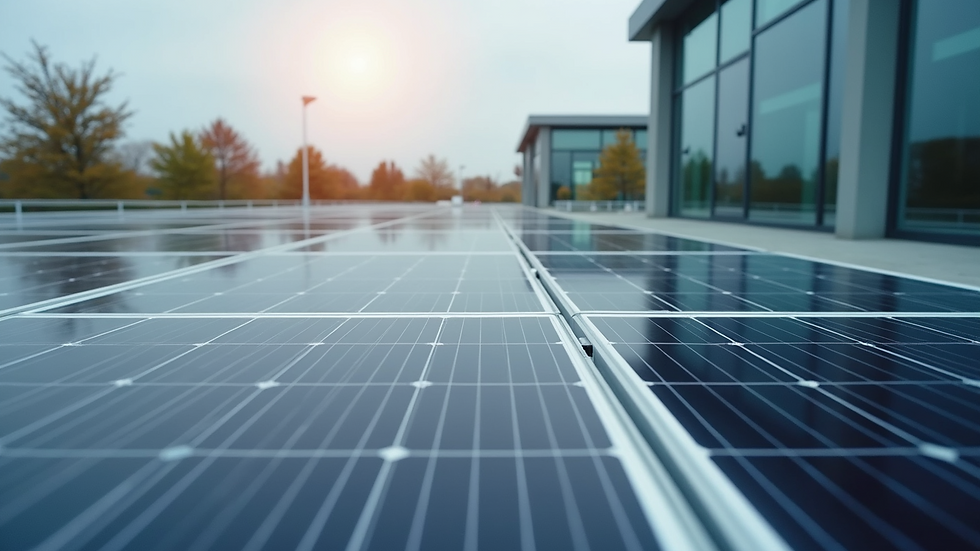
Renewable Energy: Solar panels and energy storage systems lower utility expenses and carbon footprints. Some properties offer EV charging stations to attract tenants.
Sustainable Materials: Use of recycled and low-impact materials in construction appeals to environmentally conscious businesses.
Data Analytics: Real-time data on building performance and market trends supports better decision-making.
Investing in these technologies can increase property appeal and long-term value. You should assess the cost-benefit ratio and potential incentives when considering upgrades or acquisitions.
Adapting to Changing Tenant Needs and Market Dynamics
Tenant expectations are evolving. You must adapt your property offerings to meet these demands:
Flexible Lease Terms: Tenants want shorter, more flexible leases to adjust to market conditions.
Mixed-Use Developments: Combining retail, office, and residential spaces creates vibrant communities and steady foot traffic.
Enhanced Amenities: Fitness centers, outdoor spaces, and wellness rooms improve tenant satisfaction and retention.
Safety and Hygiene: Improved air filtration, touchless entry, and regular cleaning protocols are now standard requirements.
Stay informed by following commercial real estate news to track market shifts and tenant preferences. This knowledge helps you position your properties effectively.
Strategies to Capitalize on Emerging Commercial Real Estate Trends
To benefit from these trends, consider the following strategies:
Conduct Market Research: Analyze local demand, zoning laws, and competitor offerings.
Invest in Upgrades: Prioritize energy efficiency, technology integration, and tenant amenities.
Negotiate Flexible Leases: Offer terms that attract a wider range of tenants.
Explore Off-Market Opportunities: Work with brokers to find properties not publicly listed.
Plan for Long-Term Growth: Choose locations and properties that support expansion and changing business needs.
CRE Leo Lin provides tailored market analysis and negotiation support to help you execute these strategies successfully.
Positioning Your Commercial Property for Future Success
The commercial real estate market will continue to evolve. You must stay proactive to maximize your property's value and utility.
Regularly update your property with the latest technology and sustainability features.
Maintain strong relationships with tenants and investors to understand their needs.
Monitor market trends and adjust your leasing or investment approach accordingly.
Consider 1031 Exchanges to upgrade your portfolio with higher-quality assets.
Leverage expert advice to identify repositioning or redevelopment opportunities.
By embracing these emerging real estate trends, you ensure your commercial property remains competitive and profitable.
Stay informed and prepared. The commercial real estate landscape is changing fast. Use these insights to make confident decisions that support your business growth and investment goals.

LEO LIN
CA DRE # 02128847


Comments