.png)


Proven Methods to Locate Commercial Property Perfect for Your Business
- SFIM Network
- Feb 4
- 3 min read

Finding the right commercial property is a critical step for your business success. Whether you are relocating, expanding, or upgrading operations, the property you choose must meet your specific needs. This guide offers practical, proven methods to help you locate commercial property that fits your goals and budget.
Understanding Your Business Needs Before Locating Commercial Property
Start by defining what your business requires from a commercial space. Consider these factors:
Type of property: Retail, industrial, warehouse, office, or mixed-use.
Size and layout: Square footage, number of rooms, ceiling height, and parking availability.
Location: Proximity to customers, suppliers, transportation hubs, and workforce.
Zoning and regulations: Confirm the property complies with local zoning laws for your business type.
Budget: Set a clear budget for leasing or purchasing, including additional costs like utilities, maintenance, and taxes.
For example, a retail operator needs high visibility and foot traffic, while a warehouse operator prioritizes loading docks and easy truck access. Write down your priorities to guide your search.
Effective Strategies for Locating Commercial Property
Use multiple approaches to find the best commercial property options:
Work with a specialized commercial real estate broker
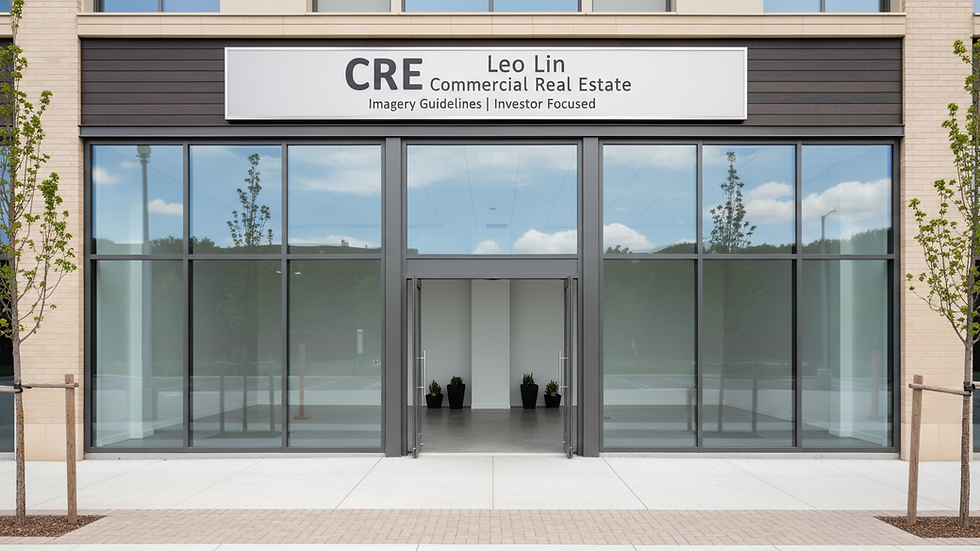
A broker like CRE Leo Lin can provide access to exclusive listings, market insights, and negotiation expertise. They understand your industry and can match properties to your needs.
Search online commercial real estate platforms
Use websites dedicated to commercial listings. Filter by property type, size, price, and location. This helps you quickly narrow down options.
Drive or walk around target neighborhoods
Look for "For Lease" or "For Sale" signs. This old-fashioned method can uncover hidden gems not listed online.
Network with local business groups and chambers of commerce
These organizations often know about upcoming vacancies or off-market opportunities.
Attend commercial real estate auctions and open houses
Auctions can offer competitive pricing, while open houses let you inspect properties firsthand.
Check public records and zoning maps
Verify property ownership, zoning restrictions, and any planned developments nearby.
By combining these methods, you increase your chances to find commercial property that fits your operational and financial goals.

What is the 2% Rule in Commercial Real Estate?
The 2% rule is a quick guideline used by investors to evaluate potential rental properties. It suggests that the monthly rent should be at least 2% of the purchase price to generate positive cash flow.
For example, if a commercial property costs $500,000, the monthly rent should be at least $10,000 (2% of $500,000). This rule helps you screen properties before conducting detailed financial analysis.
Keep in mind:
The 2% rule is a starting point, not a strict rule.
Market conditions, property condition, and location can affect rent potential.
Always perform a full cash flow and return on investment analysis.
This rule is especially useful for investors and owner-users evaluating retail or industrial properties.
Evaluating Properties: What to Look for When You Find Commercial Property
Once you identify potential properties, evaluate them carefully:
Physical condition: Inspect the building structure, roof, HVAC, plumbing, and electrical systems.
Compliance: Check for ADA compliance, fire safety, and environmental regulations.
Traffic and accessibility: Assess customer and employee access, parking, and public transportation.
Visibility and signage: Ensure the property offers good exposure for your brand.
Expansion potential: Consider if the property allows future growth or modifications.
Financials: Review operating expenses, property taxes, and any existing leases.
Hire professionals for inspections and appraisals. Use their reports to negotiate better terms or avoid costly surprises.
Negotiation and Closing Tips for Commercial Property Deals
Negotiating commercial leases or purchases requires preparation and strategy:
Know the market: Understand current rental rates and sale prices in the area.
Set clear objectives: Define your must-haves and deal breakers.
Request concessions: Ask for tenant improvement allowances, rent-free periods, or flexible lease terms.
Review all documents carefully: Lease agreements, title reports, and zoning certificates.
Engage legal and financial advisors: Protect your interests and ensure compliance.
Plan for contingencies: Include clauses for early termination, subleasing, or property damage.
Closing a deal can take weeks or months. Stay organized and communicate regularly with all parties.

Maximizing Your Investment with Expert Guidance
To make the most of your commercial property search and acquisition:
Partner with a knowledgeable commercial real estate professional.
Use data-driven market analysis to identify trends and opportunities.
Consider long-term growth and exit strategies.
Leverage 1031 Exchanges if you are an investor seeking tax deferral.
Stay informed about local economic developments and infrastructure projects.
By following these proven methods, you can confidently locate commercial property that supports your business goals and investment objectives. Take action today to secure the right space for your success.
For more detailed assistance, you can find commercial property tailored to your needs through expert services.


Comments